
Leadership is not just about making decisions or giving orders; it’s about driving growth, inspiring change, and fostering a culture of excellence within an organization. But how do you measure the impact of leadership? How do you know if your leadership efforts are making a positive difference? In this article, we’ll explore key metrics from Russell Schuster Ridgefield that can help evaluate the impact of leadership on growth and performance.
Employee Engagement

Employee engagement measures the level of commitment, motivation, and enthusiasm that employees have toward their work and the organization. Engaged employees are more productive, creative, and loyal. They go above and beyond to contribute to the organization’s success and are more likely to stay with the company long-term. Monitoring employee engagement can provide insights into the effectiveness of leadership in fostering a positive work environment and building strong relationships with employees.
Employee Turnover Rate
Employee turnover rate calculates the percentage of employees who leave the organization over a certain period. High turnover rates can indicate issues with leadership, such as poor management, lack of opportunities for advancement, or dissatisfaction with the organizational culture. By tracking turnover rates, leaders can identify areas for improvement and take proactive steps to retain top talent and foster a stable workforce.
Employee Satisfaction Surveys

Employee satisfaction surveys collect feedback from employees about various aspects of their work experience, including leadership, communication, and job satisfaction. They provide valuable insights into how employees perceive their leaders and the overall work environment.
By analyzing survey responses, leaders can identify strengths and weaknesses in their leadership approach and take action to address areas of concern. Regularly conducting employee satisfaction surveys demonstrates a commitment to listening to employee feedback and continuously improving leadership practices.
Team Performance Metrics
Team performance metrics assess the productivity, efficiency, and effectiveness of teams within the organization. Strong leadership can have a significant impact on team performance, influencing factors such as collaboration, communication, and goal attainment. By monitoring team performance metrics, leaders can evaluate the effectiveness of their leadership strategies and identify opportunities for coaching, training, or process improvement to enhance team performance.
Organizational Growth and Success Metrics
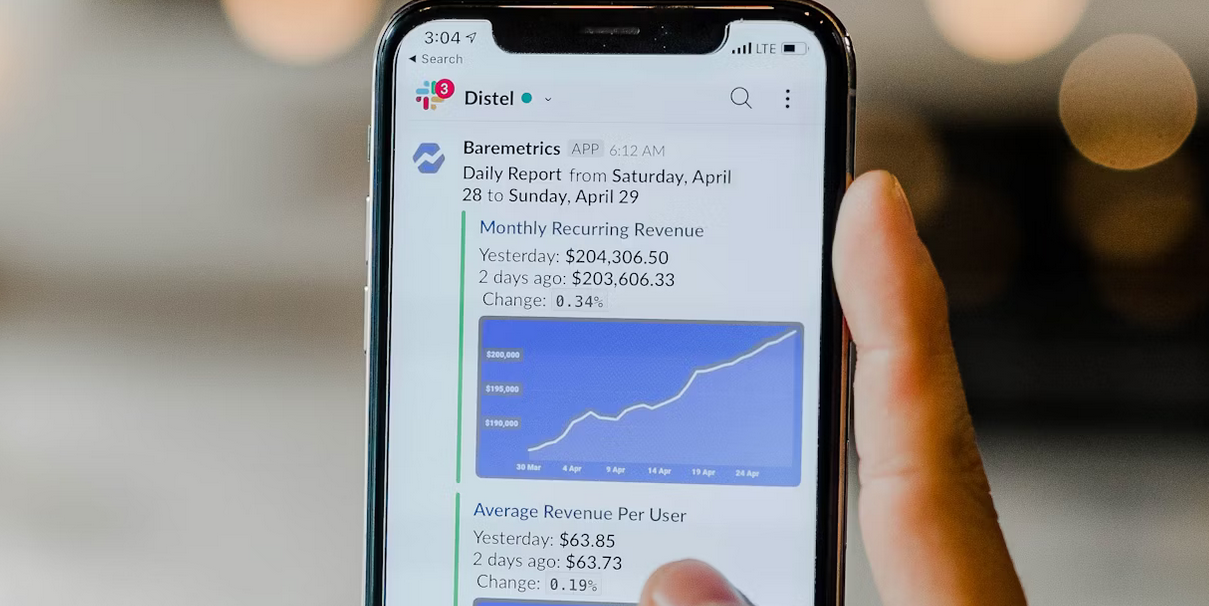
Organizational growth and success metrics track key indicators of business performance, such as revenue growth, market share, customer satisfaction, and profitability. Leadership plays a crucial role in driving organizational growth and success.
By aligning leadership efforts with strategic goals and objectives, leaders can positively impact business outcomes and drive sustainable growth. Monitoring organizational growth and success metrics allows leaders to assess the effectiveness of their leadership strategies and make data-driven decisions to achieve business objectives.