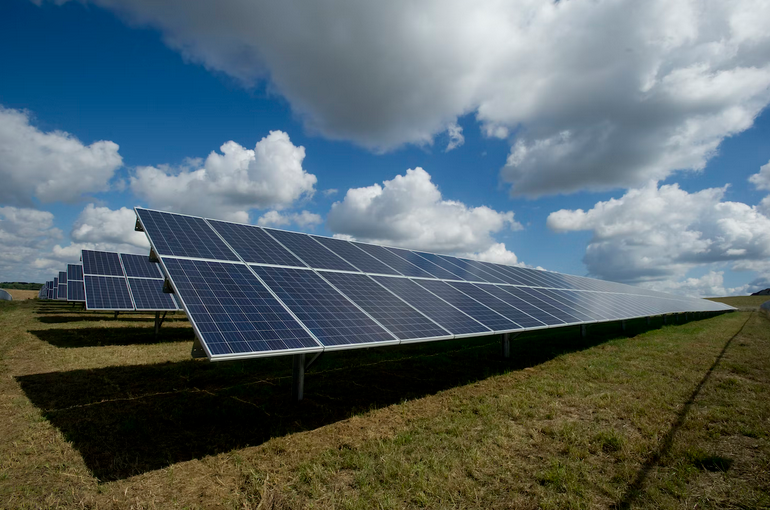
Are you ready to dive into the world of renewable energy and uncover the hurdles that stand in its way? Join us on a journey as we unravel the obstacles hindering the growth of this vital industry. From policy roadblocks to technological challenges, we will explore how these barriers are preventing renewable energy from reaching its full potential. Buckle up and prepare for an eye-opening exploration that will leave you inspired to be part of the solution. Let’s break down walls and unleash the power of clean, sustainable energy together.
Intermittency and Reliability
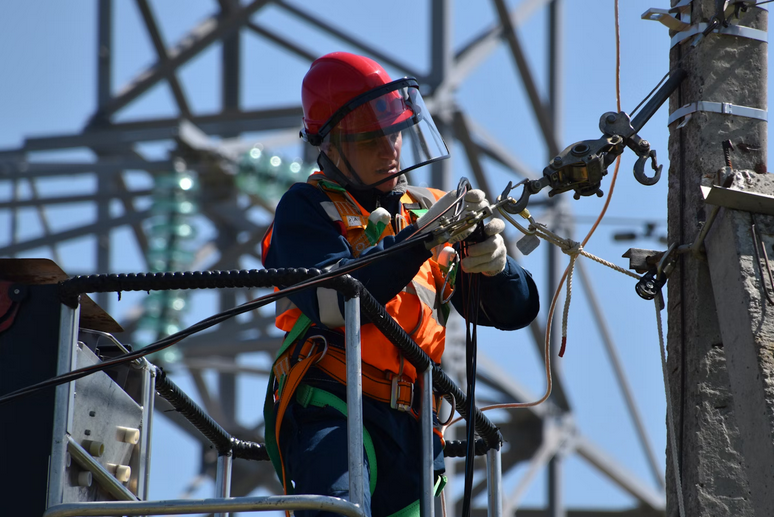
One of the primary challenges hindering the adoption of renewable energy is the intermittent nature of sources like solar and wind power. Unlike conventional sources that provide a constant and predictable supply, renewables depend on weather conditions. This intermittency can lead to fluctuations in energy production, making it challenging to maintain a stable and reliable power supply.
Energy storage solutions and smart grid technologies are pivotal in addressing these issues, allowing for better integration and balancing of renewable energy into the existing grid. Texas Green Energy, for example, is using smart grid technology to manage the intermittency of its wind and solar power. The company has installed battery storage systems that can store excess energy produced during peak production periods and then release it during times of high demand or low renewable production.
Energy Storage
Energy storage is a critical component in overcoming the challenges posed by the intermittent nature of renewable energy. Currently, efficient and cost-effective energy storage solutions, such as batteries, are still in the early stages of development.
Advancements in battery technology are necessary to store excess energy during peak production periods and release it when demand is high, ensuring a continuous and reliable power supply. Investment in research and development is crucial to accelerating progress in energy storage solutions.
Infrastructure Development
The integration of renewable energy into existing infrastructures requires significant enhancements to the power grid. Many regions lack the necessary infrastructure to transmit and distribute renewable energy efficiently.
Building a robust and interconnected grid that can accommodate the decentralized nature of renewable sources is a considerable undertaking. Governments and energy organizations must prioritize investments in grid modernization to facilitate the seamless incorporation of renewable energy into the energy landscape.
High Initial Costs
While the long-term benefits of renewable energy are evident, the initial costs associated with installing solar panels, wind turbines, and other renewable infrastructure remain relatively high. The financial barrier to entry often discourages widespread adoption, particularly in regions with limited resources.
Incentive programs, government subsidies, and innovative financing models are essential tools in making renewable energy more economically viable. As technology advances and economies of scale come into play, the upfront costs of renewable energy systems are expected to decrease.
Policy and Regulatory Challenges

The renewable energy sector operates within a complex regulatory environment, with policies varying significantly across regions and countries. Inconsistent regulations, lack of standardized frameworks, and uncertain policy landscapes can create hurdles for investors and developers. Streamlining policies, providing long-term incentives, and fostering a stable regulatory environment are crucial steps in encouraging private and public investments in renewable energy projects.
Public Perception and Awareness
Public perception and awareness play a pivotal role in the successful adoption of renewable energy. Misconceptions about the reliability and effectiveness of renewable sources can contribute to resistance from the public and policymakers.
Education and awareness campaigns are essential to bridge the information gap and dispel myths surrounding renewable energy. Highlighting the environmental and economic benefits of clean energy sources can garner public support and contribute to a more favorable climate for renewable energy adoption.
Technological Advancements
Continuous innovation is imperative for overcoming the challenges associated with renewable energy adoption. Research and development in advanced technologies, such as next-generation solar panels, more efficient wind turbines, and breakthroughs in energy storage, are essential for driving down costs and improving the overall efficiency of renewable energy systems. Governments, private enterprises, and research institutions must collaborate to create an environment conducive to technological advancements in the renewable energy sector.
While the transition to renewable energy is a crucial step in combating climate change and building a sustainable future, the path is not without challenges. Overcoming issues related to intermittency, energy storage, infrastructure, initial costs, policy complexities, public perception, and technological advancements requires a concerted effort from governments, industry stakeholders, and the public. Addressing these challenges will pave the way for a cleaner and more sustainable energy landscape, ensuring that renewable energy becomes a dominant force in meeting our global energy needs.